03 CH
Three Channel
Aurora · COMPACT
One room, three independent circuits — a kitchen island, a living scene, layered bedroom light.
- Channels
- 3 × 144 W
- Dimming
- 16-bit
- Mount
- Panel · Wall
One steel enclosure carries ten isolated output stages, a 16-bit driver core and a convection stack that never needs a fan. Wire it once; it runs for a decade.
Every channel is its own driver — dim one to 4% while another sits at full, and neither flickers. Group them into scenes, or drive all ten from a single fade.
This is the same curve the Vort runs on-device: logarithmic intensity, tuneable white from 2200 K to 6500 K, and full-spectrum colour.
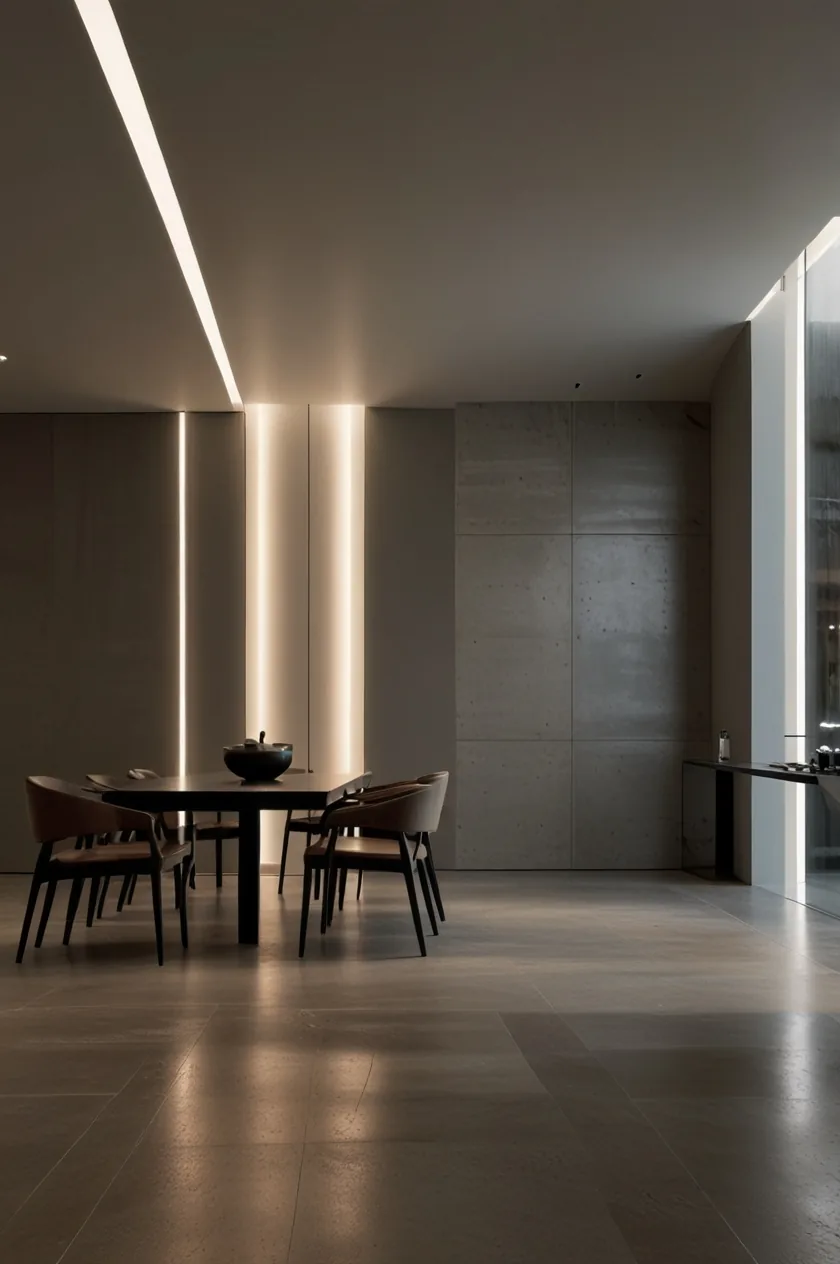
Same driver core, same 16-bit curve, same silent operation — sized for a single room, a whole floor, or an estate.
One room, three independent circuits — a kitchen island, a living scene, layered bedroom light.
The most-installed Notrix dimmer. A full floor — overheads, sconces, accents, undercabinet, exterior.
Whole-home control in one chassis. Convection-cooled, fanless, rated for continuous operation.
A traditional install needs a dimmable driver and a smart dimmer for every single load. Notrix needs one cheap non-dimmable supply, then one dimmer runs 3 to 10 loads. Set your load count to see what that removes from the bill of materials.
Driver cost scales with wattage: a dimmable supply is priced per watt on every load, a plain non-dimmable supply at roughly a third of that rate on one shared group supply, plus the chassis. Trade pricing varies by brand and region — move the sliders to match your own supplier.
Technology that recedes. Light that simply arrives.
Real installs in real spaces — how designers, builders and homeowners put Notrix to work, room by room.
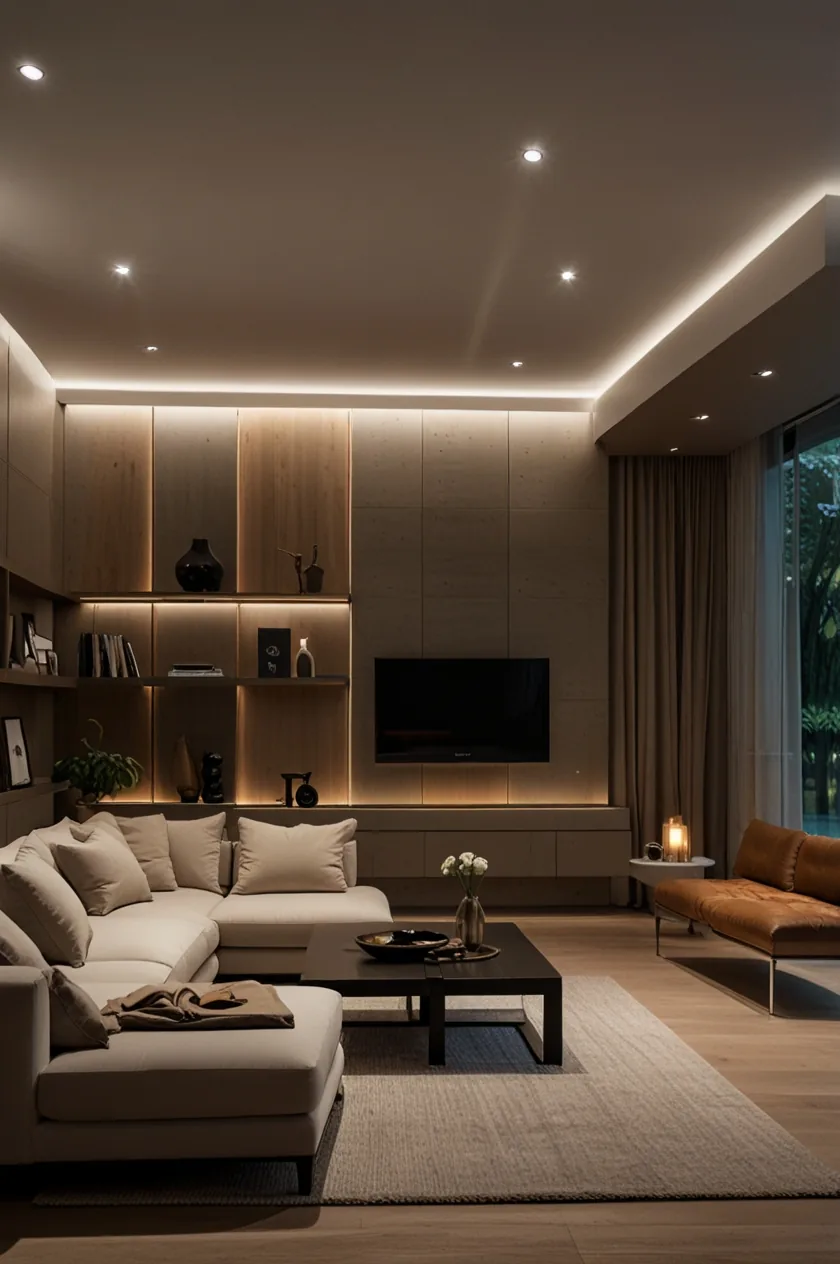
Five circuits, one scene. A Vancouver family traded six wall switches for a single evening preset.
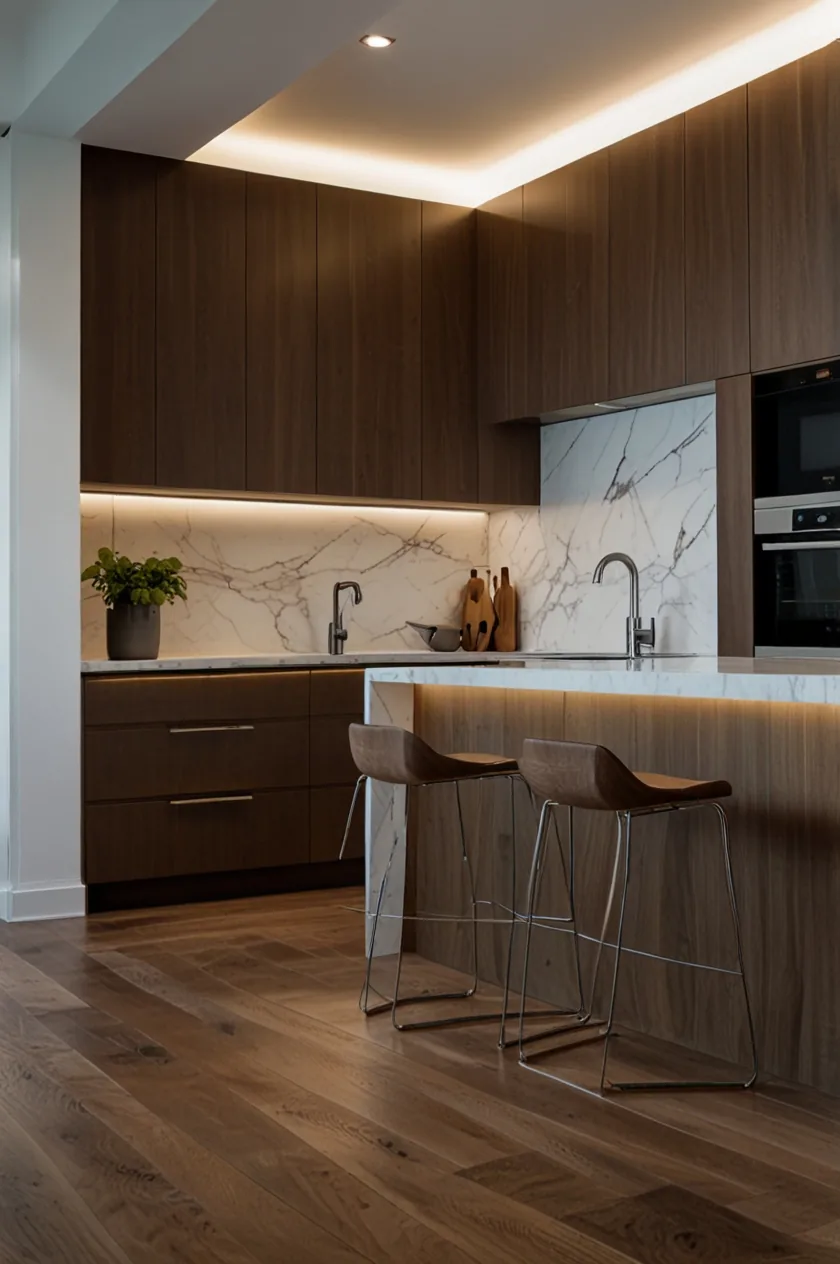
A Toronto studio on specifying 16-bit dimming for marble, walnut, and the quiet space between them.
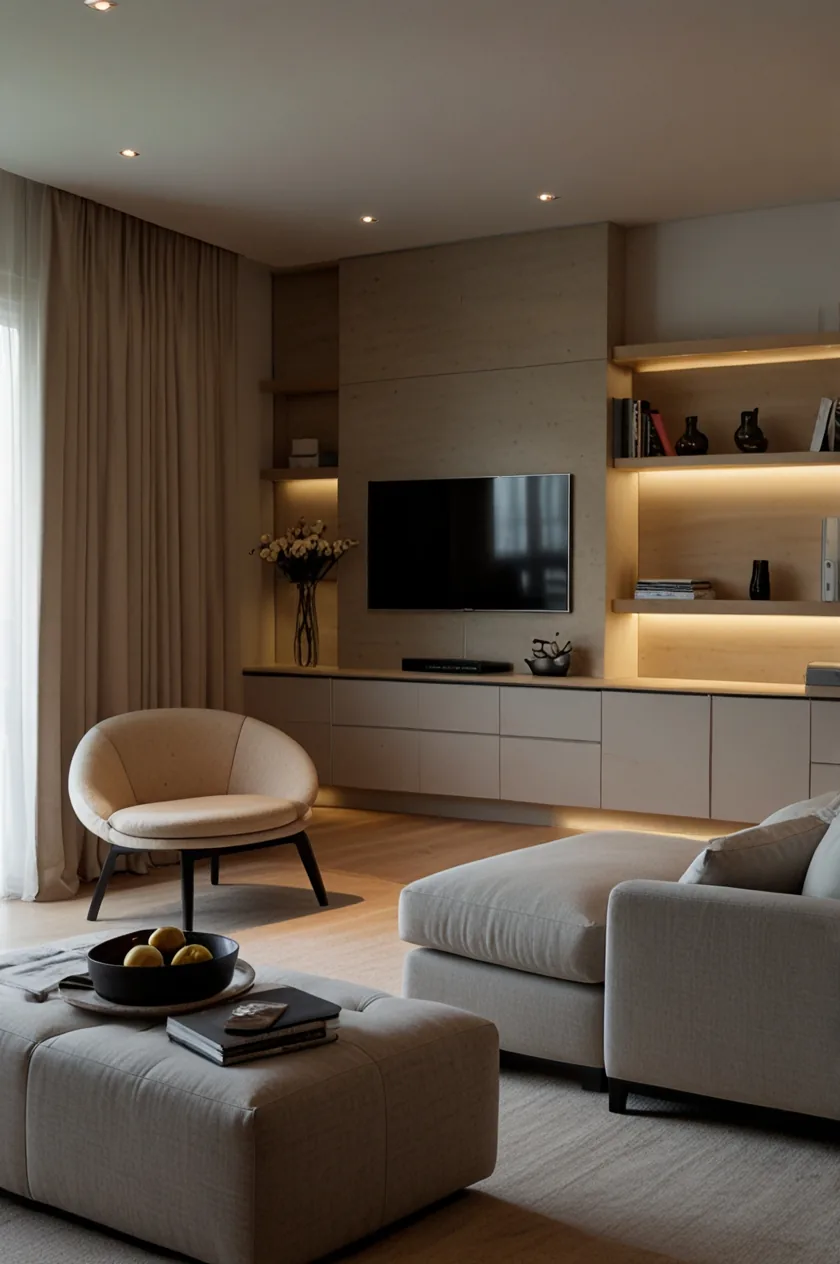
No new walls, no rewire — ten channels brought a whole floor onto the mesh in a weekend.
Wiring, pairing, scenes, load planning and the local API — everything needed to specify, install and live with a Notrix dimmer.
Mounting, supply selection, load terminals and low-voltage keypad runs.
Sizing a non-dimmable supply, mixing 12 V and 48 V on a Trek, per-channel current.
Curves, calibrated ceilings, schedules and keypad binding — all stored locally.
Control4, Matter, RGB/CCT fixtures and SNMP monitoring on the same chassis.
Local REST endpoints, authentication and event streams for integrators.
The full commissioning walkthrough, offline and printable.
Flicker at the low end, mismatched runs, unresponsive keypads and resets.
One non-dimmable constant-voltage supply, one Notrix chassis, and your existing load runs. The supply feeds the dimmer's input; every load lands directly on a channel output. No dimmable driver, and no smart switch per load.
Anywhere serviceable and ventilated: a mechanical room back-board, a service void, or a joinery cupboard. Keep 40 mm clearance above and below the heatsink and avoid mounting directly above the supply.
Because all control lives at the chassis, mounting it within reach saves every future service call from needing a ladder.
Usually. Existing switch legs become permanently-live feeds and the low-voltage control run is pulled through the same conduit. No new boxes, no plaster cuts. This is how the Ottawa side-split in our stories was done in a weekend.
A five-load room is typically an afternoon: mount, terminate, power up, assign channels, set the calibrated ceiling per channel, then record scenes. The setup guide walks the sequence step by step.
Add the connected watts on that chassis and add 20% headroom. A Trek carrying five 42 W runs (210 W) wants a 250 W supply. Each chassis in a multi-unit job gets its own supply sized to its own group.
On the Vort, yes. Its channels are split into independently-fed groups, so part of the chassis can run at 12 V and the rest at 48 V — or any other combination — with a non-dimmable supply per group.
Aurora and Trek run all channels from a single supply voltage. Mixed-voltage jobs on those models take one chassis per voltage.
6 A per channel on every model, with a chassis total of 18 A (Aurora), 30 A (Trek) and 60 A (Vort). Channels can be paralleled for a single heavy run.
Dimmable drivers carry the dimming electronics per fixture, and their price scales with wattage. A plain constant-voltage supply costs roughly a third per watt, and you need one per group rather than one per load — which is where most of the saving on the calculator comes from.
1% and it holds there. The 16-bit engine resolves the bottom of the curve finely enough that a twenty-minute sunset ramp shows no visible stair-stepping.
A per-channel maximum you set at commissioning, so "100%" means the level the space was designed at rather than the driver's absolute limit. It also keeps mismatched fixtures tracking each other across the whole curve.
Yes — the chassis exposes each channel as a dimmable load to a C4 director over the local network, with scenes callable by name. No adapter hardware.
Yes. Channels are assigned by fixture type at commissioning: single-channel white, paired tunable white, or grouped RGB/RGBW. Mixed assignments on one chassis are normal — that's the point of mix-and-match loads.
SNMP is supported for uptime, per-channel state and supply health, so a chassis can sit in the same monitoring dashboard as the rest of the building's kit.
Over HTTP on the local network, with a token generated at commissioning. Endpoints cover channel level, scene recall, schedule state and an event stream for live changes.
Full request and response shapes are in the reference: download the API reference.
Yes — a single write to a channel's level endpoint, expressed as 0–100 percent. Fade time is an optional parameter on the same call.
The chassis accepts continuous streams for live faders; the reference documents the recommended update interval so a controller doesn't outrun the fade engine.
Almost always the supply, not the dimmer: check it is a constant-voltage unit at the fixtures' rated voltage and that total load is under 80% of its rating. Undersized supplies sag under the inrush of a fast fade.
Set each channel's calibrated ceiling against the other rather than trusting nominal output — batch variation in tape is common. Once ceilings match, the whole curve tracks.
Hold the recessed button on the chassis for ten seconds. Channel assignments and scenes clear; firmware stays. Export your configuration first if you want it back.
Specification questions, load planning, or something not behaving — send it over and a human answers.
Notrix ("we," "us," "our") respects your privacy. This policy explains what we collect through notrix.ca and our products, how we use it, and the choices you have. We are a Canadian company and handle personal information in accordance with PIPEDA (the Personal Information Protection and Electronic Documents Act).
Notrix products are built to work locally. Your lighting scenes, voice commands, and automation routines run on your own devices — not on our servers. We do not require a Notrix account to use our hardware.
To answer your inquiries, provide technical support, process orders, manage dealer relationships, and improve our products. If you ask to receive product updates, we'll send them — and you can unsubscribe at any time.
We do not sell, rent, or trade your personal information. We share it only with service providers who help us operate (such as hosting or email delivery), limited to what they need, or where required by law.
We use reasonable administrative and technical safeguards, and keep personal information only as long as needed for the purposes above or as required by law. No system is perfectly secure, and we cannot guarantee absolute protection.
You may request access to the personal information we hold about you, ask for corrections, withdraw consent, or request deletion. Write to privacy@notrix.ca and we'll respond within 30 days.
We may update this policy. The current version is always posted here with its effective date.
Notrix builds the hardware and software that make a home genuinely smart.
From our base in Ontario, we design and manufacture a complete ecosystem — low-voltage lighting control and AI-driven energy optimization — all managed from one app.
Our team brings over twenty years of industrial and home automation experience and a track record of building technology companies. That shows up in how we design: compact, reliable, cost-effective, and easy to retrofit into systems installers already trust.
Technology should work quietly in the background. That's the standard we hold every product to.